


The EcoFlow Delta Pro Ultra sat at the centre of one homeowner’s decision to ditch the traditional grid-tied solar contract and build a whole-house battery system himself, and an EcoFlow Delta Pro Ultra review of his own experience makes a compelling case for the DIY route. The project came together at the end of 2025, driven by rising electricity rates, the impending expiry of federal tax rebate incentives, and the announcement of a nearby hyper-scale data centre that sealed the deal.
The appeal was straightforward. Rather than signing a $30,000 contract or leasing agreement with a door-to-door solar company, the homeowner wanted to own the system outright and keep as much generated power as possible. The thing that pushed him over the edge was how utility providers now handle excess solar energy: instead of offering a like-for-like credit, many now reimburse customers at a fraction of the rate they charge for the same electricity. Giving power away at a discount held no appeal.
Building the EcoFlow Delta Pro Ultra System From Scratch
The core of the build was a Costco bundle deal on the EcoFlow Smart Panel 2 and Delta Pro Ultra system, which came in at just over $8,000 before rebates. That figure covered the battery, inverter, and panel system combined. For context, EcoFlow lists the direct-to-consumer ecommerce price for the Delta Pro Ultra alone at $3,999 as of December 2025, which puts the full bundled Costco deal in perspective.
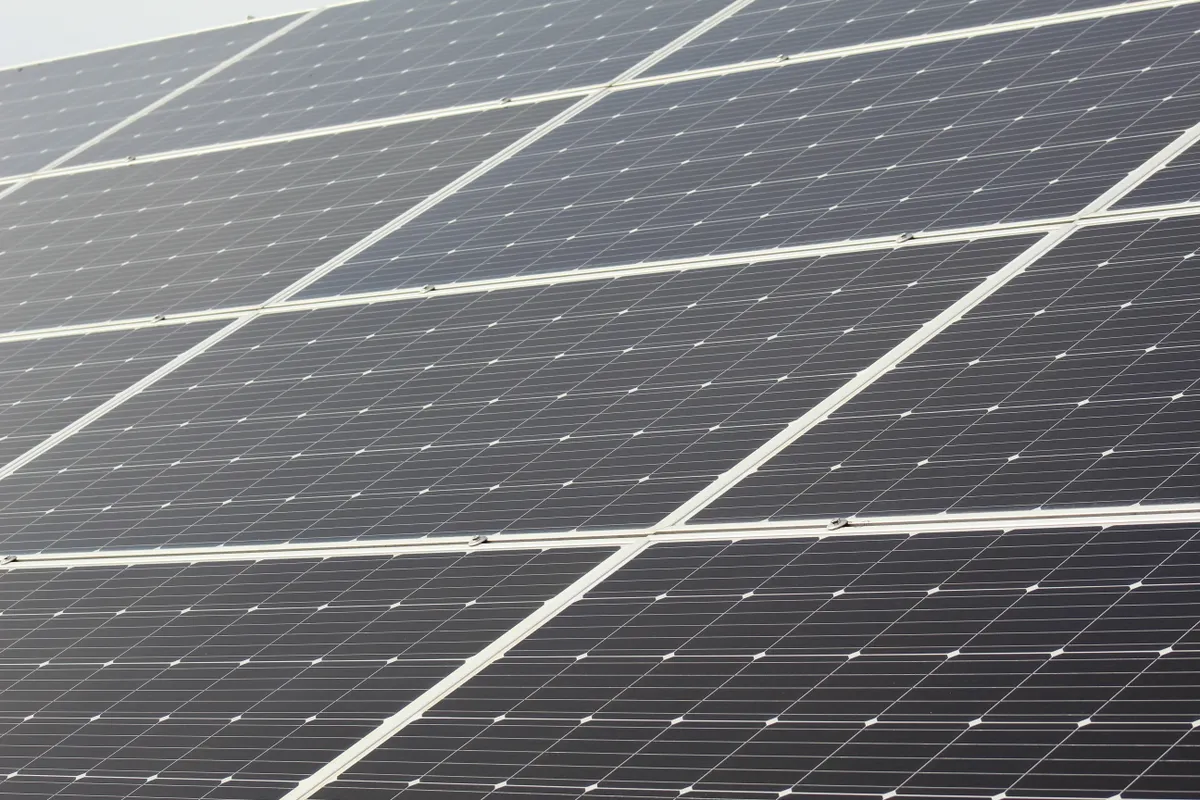
For the solar panels themselves, the homeowner turned to Signature Solar, buying ten URE Peach 390W panels at $99 each. Nine of those panels feed the main array: seven wired in series into the high-voltage inverter (producing approximately 339V, safely inside the 80-450V operating range) and two wired in series into the low-voltage inverter (producing approximately 82V, within its 150V rating). The tenth panel runs a separate EcoFlow Delta 3 battery that powers a 500-square-foot addition, including a 65-inch TV, soundbar, and a PC.
Ground mounting was the practical choice to start. It meant no roofing contractors, no structural surveys, and a working proof-of-concept within reach. The racking he chose, moulded plastic bins from Signature Solar’s PowerField PowerRack range at $75 each, did the job, though he notes that metal-frame racking would have been a cleaner option in hindsight.
EcoFlow Delta Pro Ultra Review: What the Numbers Actually Look Like
The system went live in November 2025, which is, as he acknowledges, not peak solar season. Even so, results have exceeded expectations. On a standard summer day with air conditioning running, the household consumes around 20-22kWh. The system generates approximately 15-17kWh, meaning only a small draw from the grid between roughly 5am and 8am, when the batteries sit at their 10% emergency reserve floor. The household shifted from using 60% more electricity than its most efficient neighbours to landing in the top 1% for efficiency.
EcoFlow claims the inverter switches between grid and battery power in 10 milliseconds, with no connected devices losing power during the transition. Two storms have knocked out grid power in the area since installation; both times the household kept the lights on without noticing the outage until neighbours texted to ask how.
The platform has room to grow. According to a PR Newswire announcement, EcoFlow’s newer DELTA Pro Ultra X can be expanded up to 180kWh of capacity, a ceiling that puts serious whole-home resilience within reach for those who want to scale well beyond a starter setup.
That newer model has also been generating attention on its own. EcoFlow confirmed that the DELTA Pro Ultra X was named a CES 2026 Innovation Award Honoree as of December 2025, suggesting the product line is moving firmly into mainstream recognition rather than remaining a niche enthusiast purchase.
One area where professional help was unavoidable: the sub-panel installation. Connecting the battery stack to the home’s existing 240V electrical infrastructure is both legally and practically a job for a licensed electrician in most jurisdictions. Everything else (racking, wiring, grounding, and array configuration) was DIY territory, but the final tie-in to the main panel was not a YouTube-and-hope situation.
The homeowner’s next planned addition is a 120V mini-split HVAC system for the addition, running off excess solar generation. With a full year of operational data still to come, the baseline is already set: a household that used to be shamed by its electricity bill is now being congratulated by its provider.