


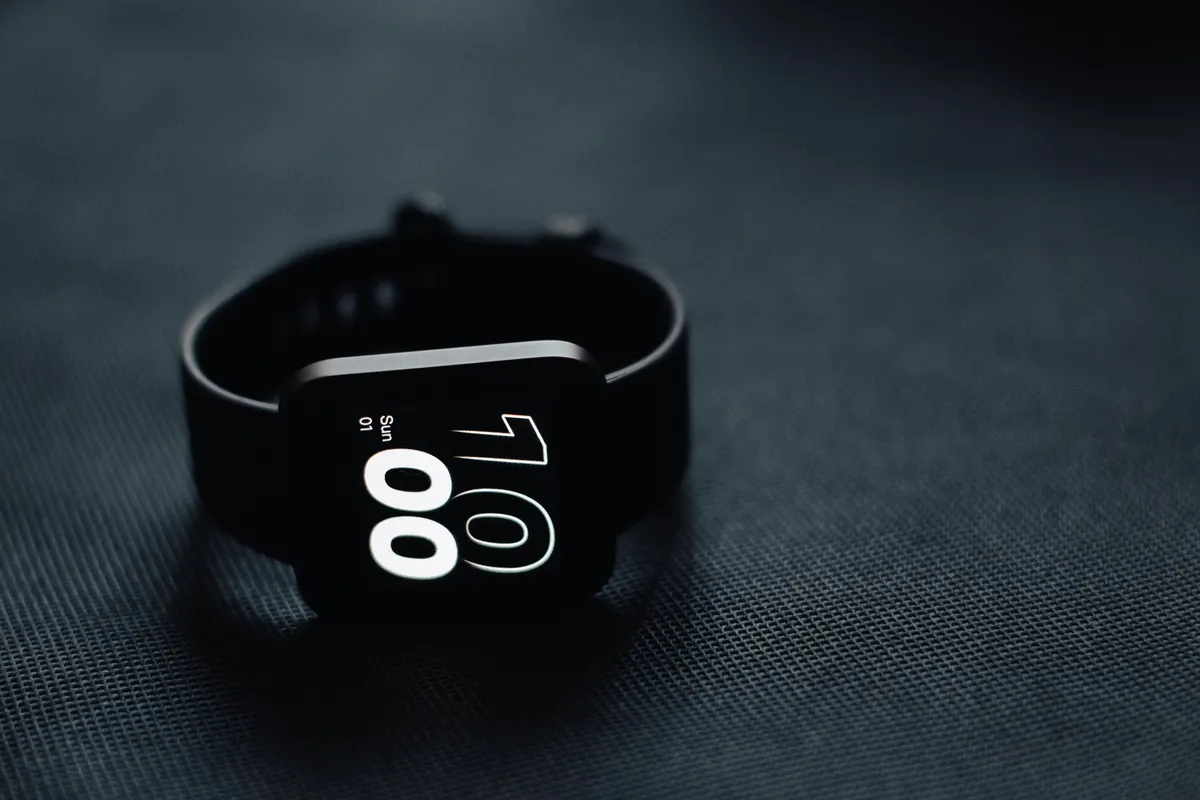
The Apple Watch Series 12 upgrade is, for once, a straightforward case: whether you are coming from a Series 10, an 11, or something older, this is the one worth buying. That is not something you could say about last year’s model.
The Series 12 starts at $399 for the GPS, 42mm version. The reasons to spend it go beyond the usual spec-sheet shuffling, though a few of Apple’s headline features are less convincing than the company would have you believe.
The hardware improvements that actually matter for the Apple Watch Series 12 upgrade
Start with the chip. The new S11 processor (the naming is, admittedly, baffling) unlocks capabilities older Apple Watches simply cannot run. Step counts on the watch face are one example: Apple has implemented them in a way that only the new hardware can calculate. If you want step count as a complication on your watch face or pinned to your Smart Stack, you need the Series 12. Third-party workarounds exist for older models, but having it native is cleaner.
Under the hood, MacRumors notes that the Series 12 doubles the RAM of its predecessor, going from 2GB in the Series 11 to 4GB. That headroom is part of what makes the new software features viable on this hardware and not the last, and it suggests the Series 12 will stay compatible with future watchOS features for longer than earlier models managed.
The heart rate sensor on the back of the watch has also been substantially redesigned. Testing found it meaningfully more accurate than the sensors in the Series 10 and 11. Apple claims it provides the most accurate heart rate of any wearable. The honest verdict: it matches Garmin’s top-of-the-line sensor. Whether it beats Garmin’s is debatable; calling it a tie for the best wrist-worn sensor is fair. Chest straps remain more accurate than any wrist-based system, but for those who train by heart rate or analyse their data afterwards, this hardware change alone justifies the switch.
Complementing that sensor, MacRumors also reports that the Series 12 tracks background heart rate every five seconds, a higher frequency than previous models managed. For anyone monitoring recovery or cardiovascular trends across a session, that granularity adds up.
HRV and readiness: the overnight data that changes how you use the watch
Heart rate variability has been on Apple Watch for years, but the Series 12 (along with the Ultra 4) switches to the RMSSD measurement method. RMSSD is the version used to gauge stress and recovery; earlier Apple Watches used SDNN, which gives cardiac health information but is less useful for day-to-day readiness. The Series 12 does both.
In practice, this means the overnight HRV reading you get is now comparable to what you would receive from an Oura ring or Whoop. For existing Apple Watch wearers who do not want a second device cluttering up their wrist, that is a genuine reduction in faff. Apple has built a readiness score on top of this data, using HRV to give you a daily indicator of how prepared you are for physical or mental load.
The Series 12 also gains Audio Intelligence, which according to Consumer Reports alerts users to certain ambient sounds such as sirens and can transcribe missed portions of nearby conversations. That sits alongside Live Rewind, which offers a text transcription of audio from the last 15 seconds, and Siri Recaps for meetings. Apple has offered privacy assurances, but these are always-listening features that capture bystanders who have not opted in. Live Rewind is not yet live on review units, so a full verdict will have to wait.
What the Series 12 does not fix
The AI-powered Siri on the watch is a work in progress. It handles message and email search better than before, but testing found delays and errors frequent enough to undercut those gains. It will presumably improve; right now, it is not a selling point.
Some of Apple’s other marketing beats for the Series 12 are software updates that run on older hardware anyway, including changes to the Health app on iPhone. A new watch is not required for those, and they should not factor into the upgrade decision.
The features that do require the new hardware, from the improved sensor and five-second heart rate polling to native step counts and RMSSD-based HRV, are the real argument. Apple says step count accuracy testing is still ongoing; those results will be worth watching once they land.