



Manchester has long been known for its busy events calendar, from major music tours and conferences to sporting fixtures and cultural festivals. As the city continues to attract large audiences in 2026, attention is increasingly turning to what happens behind the scenes, particularly when it comes to waste.
Zero waste is no longer a buzz phrase used in marketing campaigns. For many Manchester venues, it is becoming a practical goal shaped by cost pressures, compliance requirements and changing public expectations.
Why Zero-Waste Is Becoming a Priority
Event waste has always been complex. High footfall over short periods creates large volumes of mixed materials, including food waste, packaging, signage and temporary infrastructure.
In the past, much of this waste was managed through bulk removal with limited sorting. Today, rising disposal costs and stricter environmental expectations are forcing venues to rethink this approach.
As Manchester venues host larger and more frequent events, many are adopting zero-waste event strategies that focus on planning, segregation and measurable waste reduction rather than landfill reliance.
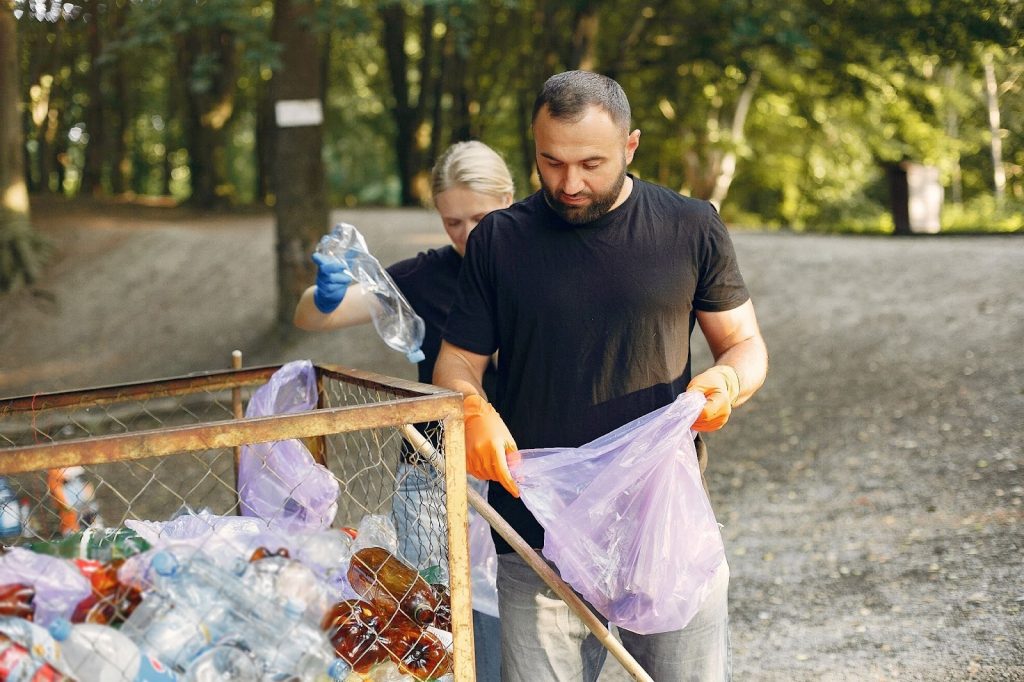
Events Create Unique Waste Challenges
Unlike permanent workplaces, events operate on tight schedules and limited space. Waste must be handled quickly, often overnight, before the next booking begins.
This makes it difficult to rely on generic waste solutions. Different events generate different waste profiles, and a one-size approach often leads to contamination, higher disposal costs and missed recycling opportunities.
To address this, venues are increasingly working with waste management specialists who understand how to design event-specific waste plans that account for layout, audience behaviour and turnaround times.
Sustainability Expectations Are Rising
Audience expectations are also playing a role. Visitors are more aware of sustainability issues and increasingly expect visible action from venues and organisers.
Sponsors and partners are asking tougher questions, too. Many now require evidence of sustainability practices as part of commercial agreements, particularly for large-scale events.
This has made waste reduction a reputational issue as well as an operational one. Venues that fail to adapt risk falling behind competitors who can demonstrate clear progress.
The Role of Planning and Consultancy
For larger venues and multi-day events, access to environmental consultancy is helping organisers move beyond reactive waste handling.
Consultants can assess waste streams in advance, recommend improvements to segregation, and ensure compliance with local authority requirements. This upfront planning often leads to better outcomes on the ground and fewer issues during live events.
In Manchester, where venues range from historic buildings to modern arenas, tailored planning is becoming essential.
Data Is Now Part of the Conversation
In 2026, sustainability is increasingly measured, not assumed.
Venues are being asked to provide transparent waste data reporting to councils, sponsors and internal stakeholders. This includes diversion rates, recycling performance and reductions in landfill use.
Access to accurate data allows venues to track progress over time and identify areas for improvement. It also helps demonstrate accountability in an environment where sustainability claims are closely scrutinised.
A Broader Shift Across Hospitality and Events
The move towards sustainable waste management is not limited to major arenas or festivals. Restaurants, hotels and smaller venues across Manchester are also adapting their practices.
For many, the goal is not absolute zero waste but meaningful reduction supported by better planning and smarter partnerships. This reflects a wider shift across the city’s hospitality and events sector.
What This Means for Manchester in 2026
Manchester’s events and venues sector is evolving. Waste is no longer treated as an unavoidable by-product of busy calendars but as a controllable part of operations.
By focusing on planning, specialist support and measurable outcomes, venues are taking practical steps towards zero-waste ambitions that are realistic and achievable.
In 2026, the path to zero waste in Manchester is not about perfection. It is about progress, transparency and smarter ways of working.