


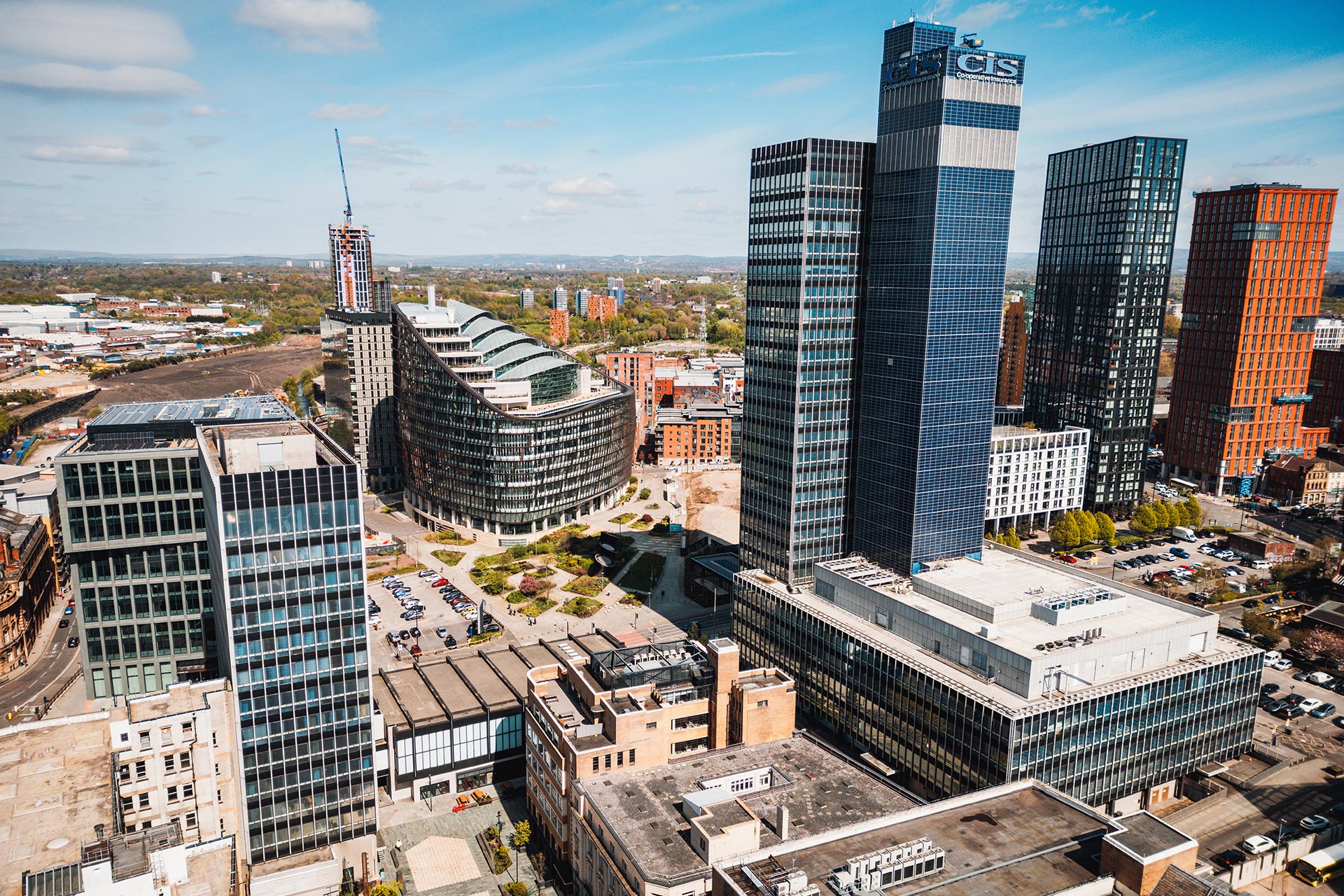
The first thing many entrepreneurs notice about Manchester is not a landmark or a slogan, but the pace. It moves quickly without feeling frantic. People queue for coffee with laptops open, conversations half-finished because someone has to dash to a pitch or a train, yet there’s rarely the sharp-edged urgency that hangs over parts of London. The city has learned how to stay ambitious without becoming brittle.
Manchester’s startup ecosystem has been built less on grand declarations and more on accumulated habit. Decades of industrial reinvention left behind a population comfortable with risk and change, but suspicious of hype. Founders here tend to talk about cash flow before valuation, customers before scale. It’s a practical streak, forged long before “startup” became a fashionable word, and it still shapes how new businesses are formed.
Rents matter more than press coverage when you’re deciding where to start business in Manchester. Office space in the Northern Quarter or Ancoats still feels attainable to early-stage founders who would be priced out of Shoreditch in a week. The same logic applies to hiring. Talented developers, designers, and product managers graduate locally or drift north, often staying because the city allows a decent life alongside long hours.
There’s also a noticeable absence of performative networking. Events happen constantly, but they’re usually small, purposeful, and oddly unglamorous. A fintech founder once told me they met their first investor while both were waiting for a delayed tram, which sounds implausible until you’ve spent time here and realised how often conversations begin that way. Manchester encourages chance encounters without forcing them.
The presence of MediaCityUK changed something fundamental. When the BBC and other media organisations relocated parts of their operations, they brought credibility as much as jobs. It signalled that Manchester was no longer a satellite city, but a place where national decisions could be made. That confidence rippled outward, affecting tech, creative industries, and later, SaaS and platform businesses.
Universities play a quieter but deeper role. They supply not just graduates, but research partnerships and early-stage spinouts that anchor innovation locally. Some founders arrive for a degree and stay after realising they don’t have to leave to build something serious. Others return later, drawn back by networks that never quite dissolved.
Transport shapes entrepreneurial psychology more than most people admit. Being able to reach London in just over two hours matters, but so does the ease of moving across Greater Manchester itself. Meetings are less exhausting when they don’t require an entire afternoon. Decisions happen faster when distance feels manageable.
The city’s funding landscape reflects its temperament. There is money here, increasingly so, but it tends to arrive with expectations of discipline. Investors often want to see evidence of customers, not just clever decks. That can feel restrictive to some, but it has also produced companies that grow steadily rather than spectacularly and then vanish.
I remember feeling faintly surprised, after hearing yet another founder talk about turning down rapid expansion, at how normal that restraint seemed here.
Manchester’s history keeps intruding into the present in small ways. Old mills turned into co-working spaces still carry the weight of previous ambitions, and that legacy seems to temper modern ones. There’s an awareness that industries rise and fall, and that resilience matters more than buzz. It’s not nostalgia, more a working memory.
Community support is tangible, but not sentimental. Councils, universities, and private organisations collaborate because they have to, not because it sounds good in a strategy document. Initiatives come and go, but the underlying networks remain, often informal, sometimes messy, and usually effective.
The cost-of-living crisis has sharpened Manchester’s appeal rather than blunted it. Entrepreneurs priced out elsewhere look north and see a city where a failed idea doesn’t automatically become a personal catastrophe. That safety net, even if imperfect, encourages experimentation. Failure here feels survivable.
There is also a cultural permission to be ordinary. Not every startup needs to change everything. Some simply solve dull problems efficiently and make money doing it. Manchester seems unusually comfortable with that idea, which may explain why so many sustainable mid-sized firms quietly call it home.
Evenings reveal another side of the ecosystem. Founders unwind in pubs that have hosted generations of post-work conversations, the talk drifting from metrics to music to football and back again. Business doesn’t end at six, but it also doesn’t consume every identity. That balance keeps people here longer than they expect.
Manchester continues to attract UK entrepreneurs because it offers something increasingly rare: room to build without constant performance. The city rewards attention, patience, and realism. It doesn’t promise transformation overnight, but it does offer continuity, which, for many founders weighing where to start business in Manchester, feels like the more radical proposition.