


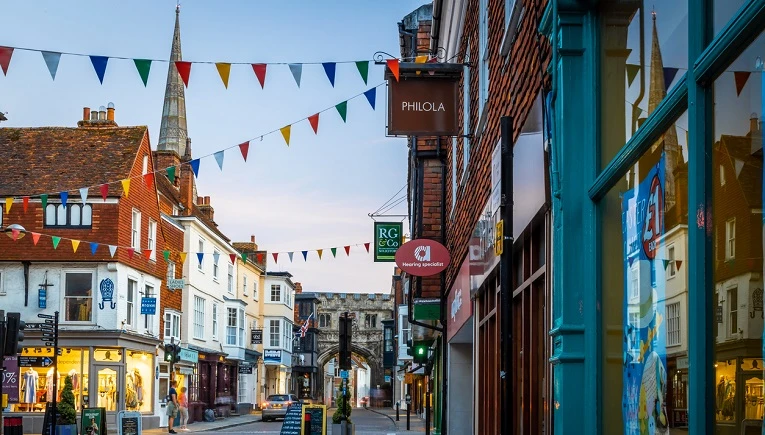
Walking down the side streets of the Northern Quarter, it’s easy to mistake the hum of Manchester’s independent retailers for something ordinary, when in fact it is a quiet rebellion. Vinyl stores sit cheek by jowl with artisanal coffee shops, vintage clothing stores spill their racks onto the pavement, and bookshops with hand-painted signs cling to the corners like stubborn ivy. There is a rhythm here that feels human, not corporate, and it thrives against odds that would make a multinational flinch.
High street rents have climbed steadily for years, and chain stores dominate the city centre. Yet somehow, small retailers endure. Some of it is sheer adaptability. I watched a tiny stationery shop near Piccadilly reinvent itself during the pandemic, pivoting to online sales and curated delivery boxes. They were selling calligraphy pens and notebooks within weeks, something that felt almost urgent, as if survival demanded speed and precision in equal measure.
Manchester independent retailers lean heavily on their sense of place. They are embedded in the city’s fabric in ways that online giants cannot replicate. A boutique selling handcrafted leather goods might not outmatch Amazon for volume, but it does offer advice, guidance, and, crucially, experience. Customers return because of these interactions, not just the products. And in a city where identity is everything—from canal-side warehouses to street murals—local authenticity carries weight.
Yet there is fragility beneath the confidence. The ebb and flow of footfall can decide fortunes. Winter mornings in Deansgate see streets nearly empty, and I’ve seen shopkeepers linger by the door, hoping a stray passerby might wander in. Events like the Manchester International Festival or the Christmas markets inject bursts of energy and sales, but the lean months demand a different kind of endurance. Some retailers tell me they plan their year around these peaks, almost like farmers predicting harvests.
A few blocks away, a family-run cafe has survived not through novelty, but through relationships. Regulars are greeted by name; the barista remembers your order and asks about your week. I noticed a young employee explaining a complex tea blend to a hesitant customer, and it struck me how this personal touch becomes a form of currency in itself.
Adaptation extends beyond service. Many independents have embraced collaboration instead of competition. Shops host pop-up events for other local businesses, or share social media campaigns to promote one another. There’s an unspoken pact: if one thrives, the ecosystem benefits. It’s a contrast to the cut-throat models elsewhere, and it makes Manchester’s high street feel less like a battleground and more like a neighbourhood.
Financial pressures remain omnipresent. Rent increases are relentless, and securing financing can be near impossible without a track record. One jeweller confided that a single unexpected rate hike could wipe out months of careful profit. Banks and councils occasionally offer grants, but navigating bureaucracy takes time and patience, qualities that a small team often cannot spare. It’s a balancing act between ambition and survival.
Then there’s the question of visibility. Many of these businesses exist in plain sight yet remain invisible to those unfamiliar with the city. Social media has been a lifeline. Instagram, TikTok, and even localized Facebook groups serve as modern shop windows, connecting retailers to audiences that a single street frontage could never reach. But digital fluency is uneven. A baker I spoke to admitted she struggles with online marketing and wonders if she is missing an entire segment of potential customers.
Despite the challenges, resilience is palpable. Manchester independent retailers survive because they innovate constantly, understand their customers intimately, and embed themselves in the life of the city. Each decision—what stock to order, how to decorate a shop window, whether to extend opening hours—is informed by a mix of instinct, experience, and sometimes sheer hope.
Even the architecture tells a story. Exposed brick, vintage signage, uneven floors—these are not inconveniences, but part of the narrative that customers buy into. You don’t just shop here; you participate in a continuity that links generations of Mancunians. The high street becomes less a commercial zone and more a communal space, a shared memory that endures through the volatility of modern retail.
I found myself pausing outside a record store, watching a teenager carefully select an LP while a barista delivered coffee to someone reading by the window. It’s a fleeting moment, almost mundane, but it felt like a quiet victory against the homogenization of urban spaces.
There are no guarantees, of course. Some shops disappear overnight, victims of rent hikes or shifts in consumer habits. But the ones that persist do so because of a combination of careful strategy, deep local knowledge, and an uncanny ability to make their presence felt without being ostentatious. In Manchester, small retailers are both anchors and innovators, stubbornly shaping the city’s high street in their own image.
It is not easy. It never has been. But walking through those streets, listening to the murmur of conversation, feeling the texture of the city in its independent shops, it becomes clear that survival here is not measured only in profits. It is measured in perseverance, in relationships, and in the quiet insistence that a high street can belong to the people who nurture it.