


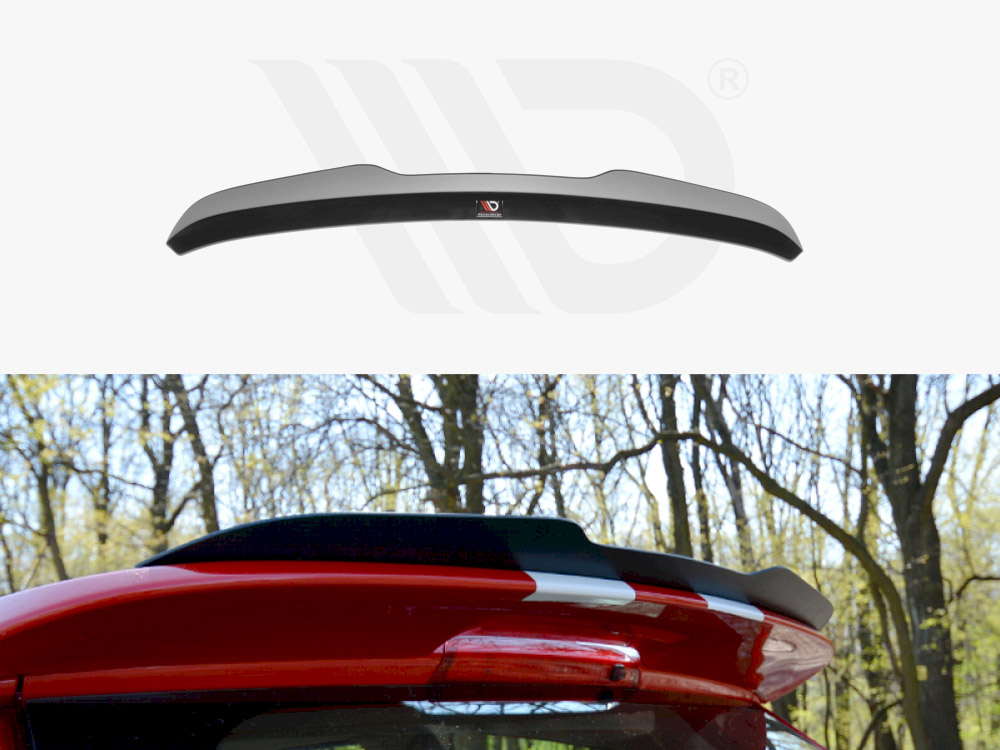
A rear spoiler is one of the simplest ways to change how a car looks from behind. It sharpens the line of the boot or tailgate, makes a standard car look closer to its performance sibling, and it is usually a weekend job rather than a bodyshop project. The catch is that spoilers are far more car-specific than most people expect. A part that looks right in a photo can be the wrong shape for your boot lid, clash with a factory spoiler, or simply not match your trim level. Here is what to check before you order.
Start with the exact generation, not just the model
“Fits a Golf” or “fits a 3 Series” is not enough information. Every generation has a different tailgate or boot lid, and a spoiler is shaped to follow those contours precisely. A Mk7 Golf and a Mk8 Golf share a name and very little else at the rear. The same applies to BMW chassis codes (F30 and G20 are both 3 Series saloons, but the boot lids are completely different), Audi model generations and Ford Focus versions.
Your V5C logbook gives the model and first registration date, which narrows things down. If you are unsure, the generation code is easy to confirm from the VIN or a quick check with your dealer.
Facelift and trim level matter more than you think
Mid-life facelifts often change the rear of the car: new light clusters, a reshaped tailgate edge or a different factory spoiler. A part made for the pre-facelift car may not sit correctly on the facelift version, and the other way round.
Trim level is the second trap. Sporty trims such as M Sport, S line, R-Line or ST frequently come with their own bumpers and, on many hatchbacks, their own roof spoiler from the factory. Some aftermarket spoilers are designed as extensions that bolt onto that factory spoiler. They fit the sporty version perfectly and will not fit a base model that has no factory spoiler to attach to. A good listing states this clearly, so read the fitment notes as carefully as the headline.
Body style changes everything
Saloon, hatchback, estate and coupe versions of the same model have different rear ends. A boot lid spoiler for a saloon is a completely different part from a roof spoiler for the estate. Check that the listing matches your body style before anything else.
Materials and finishes
Most styling spoilers are made from ABS plastic, a tough, lightweight material that holds its shape well through British winters and is usually supplied in a gloss black finish. Gloss black works with almost any paint colour and matches the black trim already found on many modern cars.
Carbon fibre spoilers sit in a different tier. They are lighter, they show the weave of the material, and they suit builds where the rest of the car already uses carbon details. They also cost more and often have different returns terms, so check the conditions before ordering. Neither material is the “right” answer; it depends on the look you are after and the rest of the build.
Be realistic about aerodynamics
Spoilers are often sold on downforce claims. On a road car driven at legal speeds, the real benefit of a lip or boot spoiler is visual, with a modest effect on airflow at the rear. That is not a criticism. Most people fit one because it makes the car look the way they want it to look, and that is a perfectly good reason. Be wary of any part sold with dramatic performance promises for everyday driving.
Fitting: tape, drilling or both
Many spoilers attach with high-strength automotive double-sided tape. Others need a few holes drilled for extra security, especially larger designs. The listing or fitting notes should tell you which method applies before you buy, because drilling into a boot lid is a commitment some owners would rather avoid.
Whichever method is used, preparation decides the result. Dry-fit the part first without removing the tape backing, mark the position with masking tape, clean and degrease the surface thoroughly, and fit it in a warm, dry environment so the adhesive bonds properly. If you are not confident, a local bodyshop or detailer can fit a spoiler in under an hour.
Think about the rest of the car
A rear spoiler rarely looks finished in isolation. If you are planning a front splitter, side skirts or a rear diffuser later on, choosing parts from the same range keeps the lines and finishes consistent. Planning the full look first, even if you buy one piece at a time, avoids mixing styles that do not quite match.
Where to look
Maxton Design UK, the authorised UK dealer for the range, based in Leeds, lists rear spoilers for performance cars and everyday hatchbacks alike, with each listing filtered by make, model and generation. The parts themselves are designed and manufactured in Poland; the UK dealer handles sales, fitment questions and delivery for British customers, which means you get answers from people who deal with UK-spec cars every day.
The short checklist
Before ordering any spoiler, confirm the generation, the facelift status, the trim level and the body style of your car, read the fitting method in the listing, and check the returns terms. If anything is unclear, ask before you buy. Asking first takes five minutes; returning a part that does not fit takes much longer.