



‘Free’ collection sounds like a no-brainer. A bulky item needs to go and someone offers to take it for nothing. It feels like a problem solved.
In the UK, it is rarely that simple. There is usually a catch. No money may change hand but costs still exist. Heavy lifting often falls on the homeowner. Waiting times can stretch on. Legal responsibility may remain even after collection. In many cases, free collection is not all it is cracked up to be.
This guide explains what “free” really means. It breaks down the risks, delays and hidden costs. It also shows when free collection works and when it creates more hassle than it is worth.
The Three Types of ‘Free’ Collections
The Charity Model (Social Value Exchange)
Charity collections are not a disposal service. They are a value exchange. The charity provides labour, vehicles and storage. In return, they expect items they can resell quickly. The funds raised support their cause and keep the service running.
This model explains why charities refuse many items. Anything damaged, incomplete or hard to sell becomes a cost rather than a benefit. Even good items may be rejected if storage space is limited.
Charity collection works best for clean furniture, working appliances and items with labels intact. It struggles with bulky, worn or awkward items.
2) The Council “Perk” (Tax-Funded Service)
Some councils offer free bulky waste collections as a local benefit. Others charge from the first booking. Some allow one or two free collections per year. These services depend on council budgets and recycling contracts. Areas with higher funding may offer perks. Others cannot. This is why rules change between neighbouring councils. Even when free collection exists, it is rarely flexible. Most councils only collect from the kerb. Collection dates may be weeks away. Missed slots often mean starting again.
3) The Social Media “Freebie” (The Wild West)
Social media platforms allow items to be offered for free to neighbours or collectors. This option feels fast and informal.
In practice, it can be unpredictable. People may cancel or fail to show. Messages can pile up. Arrangements often fall through.
There is also little control over what happens next. Without proof of disposal, responsibility may still sit with the original owner.
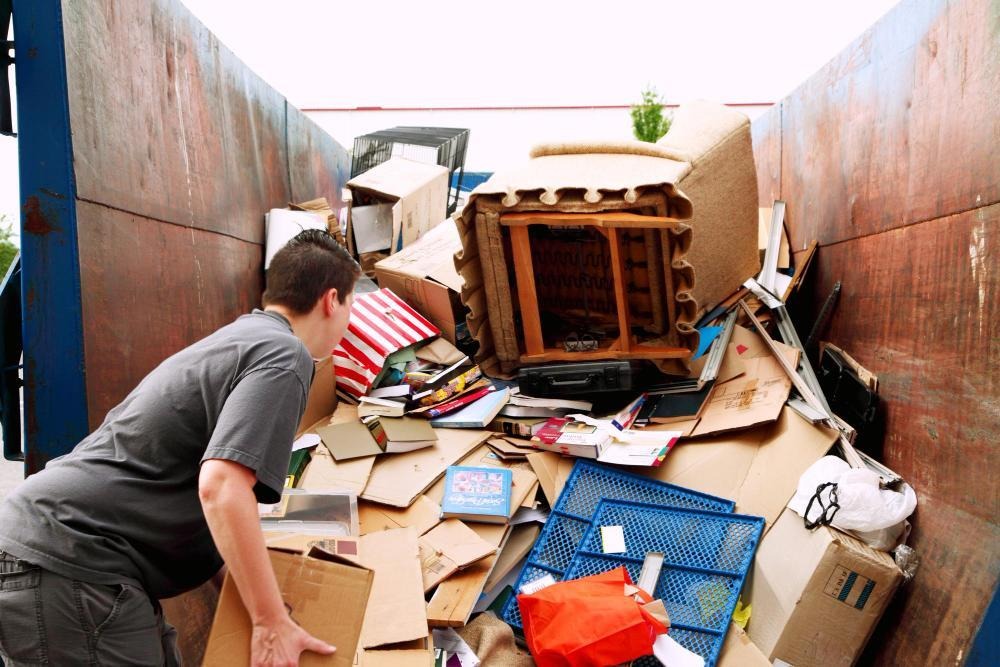
Waste Collection
The Hidden Costs of Charity Collections
Charity collections look simple on the surface. The problems often appear later.
The “Saleability” Standard
Charities inspect items on the day of collection. They must meet safety standards and protect their public image. Items with rips, stains, strong odours or missing parts are usually rejected without debate. Rejection often happens at the doorstep. By this point, time has already been spent cleaning, moving and waiting. Other plans may already depend on the item being removed.
If a move, property clearance or handover deadline exists, stress rises quickly. The item still needs to be sent out often, within days or hours. Many people then turn to paid services at short notice, which usually cost more and limit choice.
The Fire Label Law (1988 Regulations)
In the UK, furniture should carry a fire safety label. This label confirms the item meets strict fire resistance standards. Without it, resale and donation become illegal. This rule explains why a sofa that looks almost new may still be refused. A missing, damaged or unreadable label removes all resale value for a charity.
Even a small section torn off can cause rejection. Charities cannot make exceptions. Accepting non-compliant furniture risks fines and legal action. Insurance policies also depend on compliance with fire safety laws. Fire labels are typically attached to the underside of seat cushions or to the frame. Checking early prevents wasted bookings, failed collections, and last minute stress.
Access Restrictions and “Doorstep Only” Policies
Many charities collect items only from the doorstep. Staff often work in pairs and avoid stairs, lifts, basements and narrow hallways. These limits exist to reduce the risk of injury and manage insurance coverage. This policy protects staff but increases household workload. Large or heavy items must be moved outside in advance.
This can be difficult without help especially in flats, maisonettes or terraced homes. If access is restricted or unsafe, collection may be refused on the day. This often leaves the item in place and creates last minute pressure. In many cases, professional removal services like monster removals becomes the only reliable solution.
The Danger of the “Free to Collector” Social Media Ad
Free-to-collector listings carry hidden legal risk.
Your Duty of Care Does Not End at the Gate
UK waste law places responsibility on the person disposing of the item. That duty continues until proper disposal occurs.
If a collector fly-tips the item and it is traced back to them, fines may be imposed. Promises of proper disposal offer no legal protection. Free collection does not remove responsibility.
The “Scrap Metal” Scavengers
Scrap often targets white goods and metal items. Some operate legally. Others do not. Unlicensed collectors creates environmental harm and legal risk. Checking a waste carrier licence takes minutes. It prevents serious consequences later.

Council Waste Removal Services
Are Council “Free” Collections Really Free?
Council services often look generous but come with limits.
The Postcode Lottery
Council rules vary widely across the UK. One area may offer free collections. Another may charge every time. Local budgets and contracts drive these decisions. Advice from friends in other towns often does not apply. Council websites provide the most accurate guidance.
The Waiting Game and the Cost of Time
Free council slots often involve long delays. That delay has a cost. Bulky items block space. Hallways become unsafe. Living areas lose function. Daily routines suffer. When time matters, waiting weeks can create bigger problems.
The “Specific Items” Exclusion
Many councils exclude fridges freezers, mattresses and TVs. Quantity limits are standard. Free collection may remove some items but not the worst ones. Private services often become necessary anyway.
The “Commercial Free” Myth
Retailers often advertise free removal. The reality is more complex.
We’ll Take It for Free if You Buy a New One
Retailers include removal as part of a sales package. The cost is often included in delivery fees or product pricing. Bulk contracts make this workable. Without a new purchase, removal rarely happens. “Free” applies only within a sale.
What Happens When a “Free” Collection Falls Through?
Free collection often fails at the final stage. Charities may reject items. Council bookings may be cancelled. Social media collectors may not arrive. At that point, options shrink. Urgent bookings cost more. Stress increases. Many people end up paying anyway. The true cost of free collection often appears later.
Situations Where Free Collection Rarely Works
Moving House or Clearing a Property
Moves depend on timing. Delays cause chain reactions. Free services move slowly and carry risk. Paid services provide certainty and speed.
Rental Properties and End-of-Tenancy Clearances
Landlords work between tenants. Delays mean lost rent. Professional removal clears items in one visit and keeps schedules on track.
Probate and Inherited Homes
These situations already involve stress and emotion. Free collection adds uncertainty. Many families choose paid removal to reduce pressure.
Why Paid Bulky Waste Collection Exists
Paid bulky waste collection exists to solve problems that free services cannot handle. These services address size, weight and access issues that often prevent free collections from succeeding.
The fee covers trained staff who can safely lift and move heavy items. It also includes insurance coverage for damage or injury during removal. Vehicles, fuel and specialist equipment form part of the cost. Paid services also manage legal disposal. Items are taken to licensed recycling or waste facilities not fly-tipped. This removes legal risk and protects the environment.
Difficult access adds complexity. Stairs, flats, tight hallways and heavy items require planning and experience. Paid services accept these challenges without last-minute refusal. The cost does not just remove waste. It removes uncertainty.
The Value vs Risk Matrix
| Factor | Free Collection | Paid Collection |
| Upfront cost | Lowest | Higher |
| Reliability | Low to medium | High |
| Waiting time | Often long | Usually shorter |
| Risk of rejection | High | Low |
| Effort required | High (often needs lifting and moving outside) | Low (service usually handles lifting) |
| Access support | Limited (often kerbside only) | Better (handles stairs and tight access) |
| Legal risk | Higher if the collector is unlicensed | Lower with licensed disposal |
| Best for | Clean items, easy access, flexible timing | Urgent removals, heavy items, difficult access |
3 Golden Rules Before Booking a “Free” Collection
H3: Check the Fire Label on Upholstered Items
Charities and many collectors cannot accept items without it, even if the furniture looks new. A missing label often results in a refusal at the doorstep and wasted time. Before booking, check cushions, undersides
and seams. If the label is missing or unreadable, free collection is unlikely to succeed.
Confirm Access Rules Including Kerbside vs In-Home
Many free services only collect items left outside the property. They may refuse stairs, lifts or tight hallways for safety and insurance reasons. This catches many people out on collection day. Always ask if the service collects from inside the home. Confirm whether stairs or flats are allowed. Clear access avoids delays and last-minute cancellations.
Check the Waste Carrier Licence
Anyone removing waste in the UK must hold a valid waste carrier licence unless they are a registered charity. Unlicensed collectors may dump items illegally to save money. If fly-tipping occurs and the waste is traced back then original owner may face fines. Checking a licence online fly tipping clearance services takes minutes and reduces serious legal risk.
Summary
Free collection can work in the right situation. It is not always free in practice. It suits clean items, offers easy access and supports flexible scheduling. It fails when urgency, damage or access issues exist. Understanding the trade-offs leads to better decisions. The safest option is often the one that removes risk not just cost.
FAQs
What if a free collector dumps my item?
The person who disposed of the item may still be responsible. If the waste is found, fines or other actions may be imposed. This is why it’s essential to check licences.
Does the council take bulky waste from inside the house?
Most councils offer kerbside-only collection. Items typically must be set out in front of the property. Home collection is uncommon and incurs an additional charge.
Why do some councils provide free collections and others charge?
Local budgets and contracts fund council services. Free collections are available in some regions. Others cannot. This is why rules vary from postcode to postcode.
Can I safely give away furniture on social media?
Yes, but it carries risk. Collectors may not be licensed. Always check who is consuming the item and if possible, maintain records.
Is it illegal to dispose of bulky waste without a permit?
People don’t need a licence to dispose of their own waste. Anyone picking up trash on behalf of others requires a licence to carry waste, unless they are a charity.
When is it better to use paid bulky waste removal?
Paid removal is a better option for really heavy items, hard to reach locations or if you have time constraints or damaged goods. It is quick, it is safe and it provides certainty.
How can I prevent free pickup conflicts?
Check fire labels first. Confirm access rules. Verify waste carrier licences. Strictly adhering to these guidelines will prevent most failed collections.