


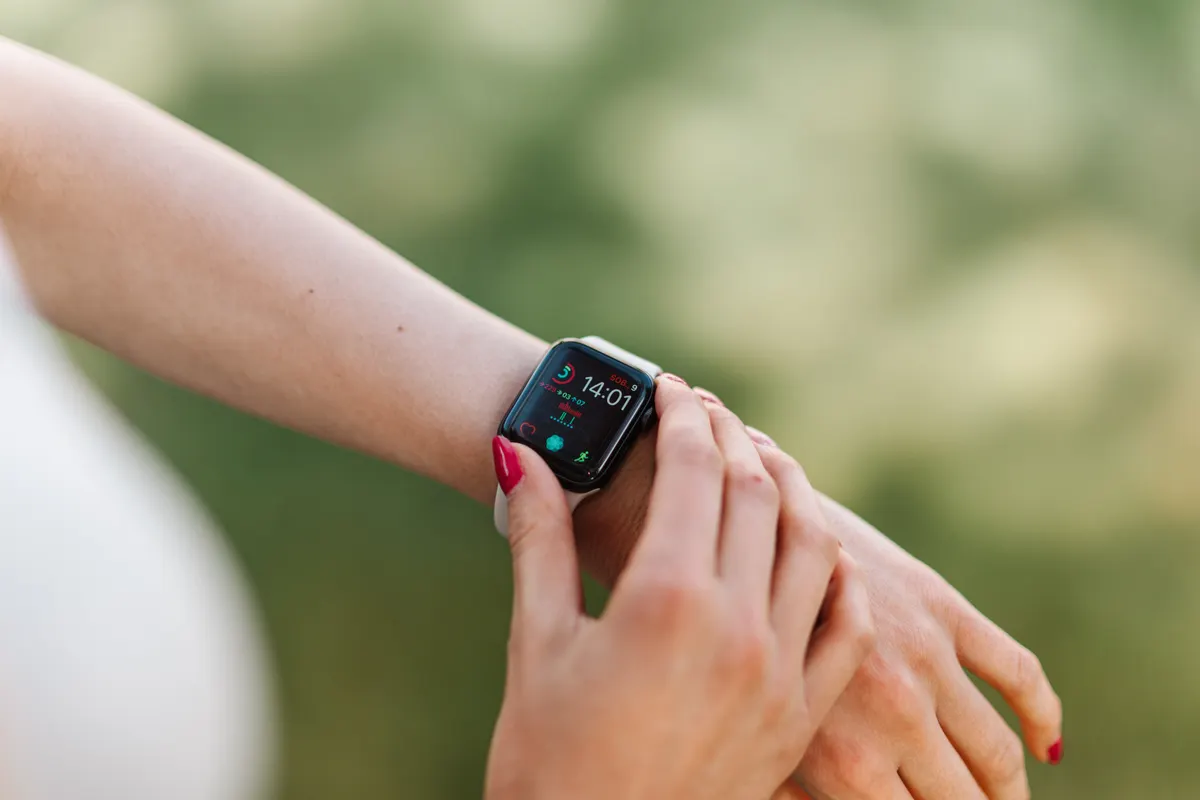
The watchOS 27 upgrade worth it question has a straightforward answer for a lot of Apple Watch owners this year: no, and for many of them, it is not even an option. Apple’s watchOS page confirms that watchOS 27 requires an iPhone 11 or later, or an iPhone SE (2nd generation or later), running iOS 27, and that is before you even get to the watch itself. The supported Apple Watch lineup has been cut to just six models, leaving behind the Series 6, Series 7, Series 8, first-generation Ultra and second-generation SE.
When Apple announced watchOS 27 at its Monday keynote, it was enthusiastic about the breadth of iOS 27 compatibility, promising updates for every iPhone currently receiving iOS 26. The Watch side of the announcement was a different story. The chop is steep enough that owners of perfectly functional, relatively recent watches are now locked out of the new software entirely.
What watchOS 27 actually offers
The headline feature is Siri AI, which Apple says transforms its assistant into something closer to the conversational AI of OpenAI‘s ChatGPT or Google’s Gemini. On a supported watch, you would be able to ask open-ended questions, pull up photos from past trips, and carry conversations across devices through the new Siri app. It sounds useful. Whether it is $399-or-more useful is a different matter.
Workout Buddy also picks up upgrades, tapping into Apple Intelligence to offer fitness insights drawn from your history. The AI coach now supports Spanish, and you no longer need your iPhone nearby to use it. There is a new dynamic app grid, better Smart Stack suggestions, a single-tap gesture for selecting widgets, perimenopause and menopause support, and more accurate tracking for indoor walks and runs. Apple has also refined Liquid Glass to improve legibility.
None of it is bad. But taken together, it does not add up to a compelling case for spending several hundred pounds on new hardware, not if the watch you already own still does its job.
The real draw: performance, not features
The most tempting part of watchOS 27 is arguably the least flashy. Apple is treating 2026 as a refinement year across its operating systems, and on the Watch side that means improvements to battery life, sleep tracking, media playback and Wi-Fi connectivity. For anyone nursing a Series 6 with a battery that has seen better days, that is the pitch.
The counter-argument writes itself: buy a newer watch and you would expect better performance regardless of the software. Performance gains baked into an OS update do not change the fundamental calculus of whether the hardware is worth replacing.
The Series 6 launched in 2020. It tracks workouts indoors and out, monitors sleep, handles texts and delivers the basics (weather, schedule, time) without needing to fish out your phone. The interface is starting to feel a little sluggish, and yes, the battery is not what it was. But it works. That is a harder thing to argue against than any feature list.
Security updates keep older devices in the game
For anyone sitting tight on an unsupported device, the security question matters. Apple’s track record here is genuinely reassuring. In May, the company seeded a security update for iOS 15, which covers hardware as old as the iPhone 6S, a device originally released in 2015. Apple continues to issue security patches for devices after dropping official software support, and while there is no guarantee of how long that continues, a Series 6 owner has reasonable grounds for confidence that their watch will keep receiving vulnerability fixes for some time yet.
The broader picture from Apple’s announcements is consistent: Siri AI and Apple Intelligence are the headliners across iOS 27, macOS 27 Golden Gate and iPadOS 27 alike, with performance upgrades and smaller features filling the rest. If your current device handles everything you ask of it, none of that is a sufficient reason to spend on new hardware. When it stops doing its job, that is the moment to upgrade, not because of a software release date.