


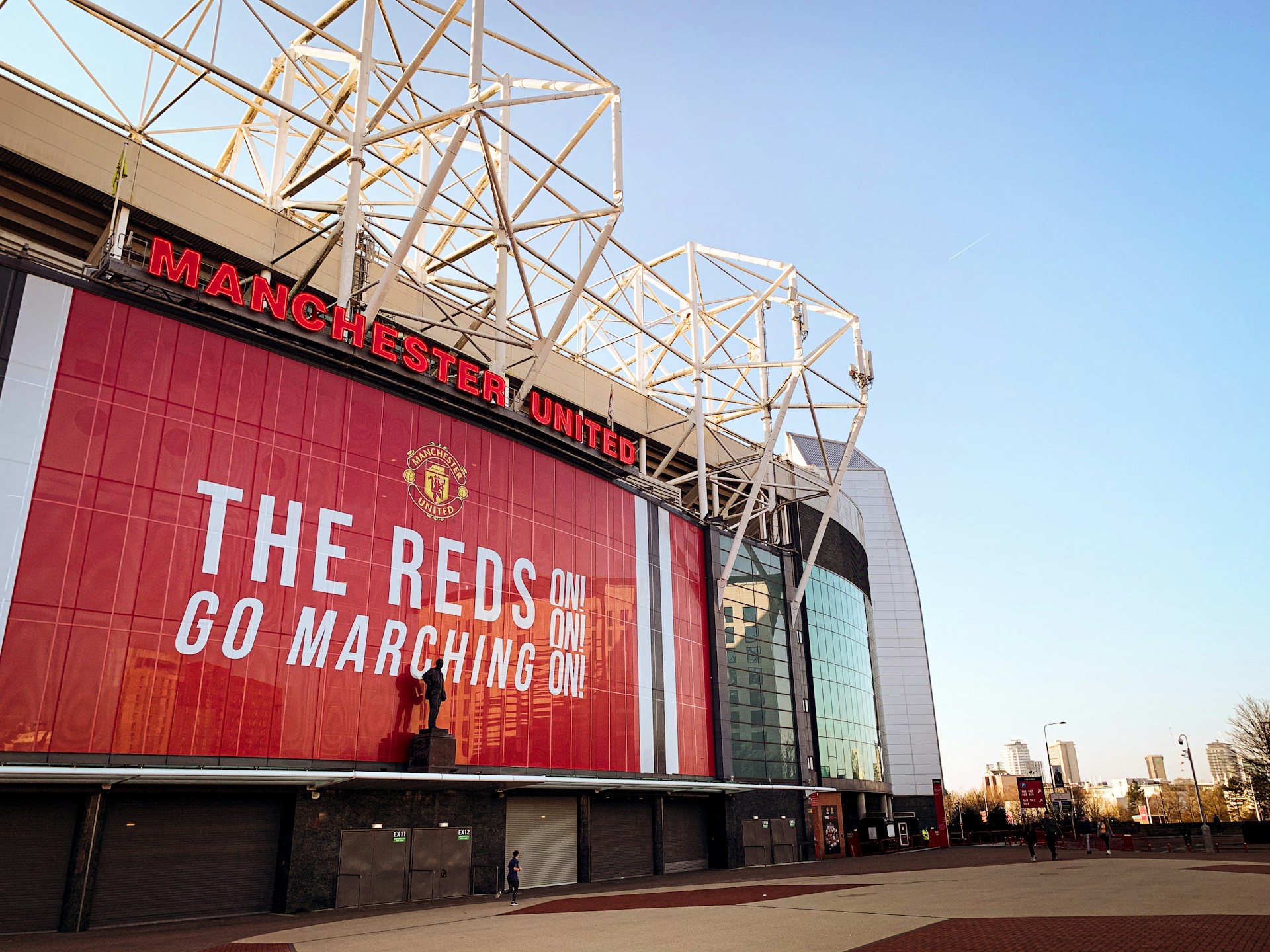
Security in Manchester doesn’t happen by accident. Behind every sold-out match at Old Trafford, every festival in Heaton Park, every buzzing bar on Deansgate — there’s a team making sure it all stays safe.
That’s easy to overlook until something goes wrong.
Manchester has always attracted crowds. Big ones. The city pulls in football fans, conference delegates, tourists, and night-out regulars in numbers that would stretch most cities’ resources thin. Managing all of that takes more than CCTV cameras and a couple of door staff. It takes coordinated, professional security operations built specifically for how this city works.
Here’s where it gets interesting: the demand isn’t just growing — it’s changing shape.
Event Security That Actually Adapts
Large-scale events bring their own brand of chaos. Crowd surges, access disputes, medical emergencies, last-minute venue changes — experienced security guards for events in Manchester train specifically for this kind of unpredictability. They’re not just watching doors. They’re conducting real-time risk assessments, liaising with Greater Manchester Police, and managing choke points before they become flashpoints.
The best operations now blend technology with human judgment. Surveillance systems flag anomalies; trained personnel respond to them. Neither works well without the other. And for high-attendance events — think NYE celebrations, outdoor concerts, Pride — that balance matters enormously.
Football: Passion Is the Variable
Anyone who’s been inside the Etihad or Old Trafford on derby day understands the energy. Incredible, genuinely. But that same intensity needs careful management — and it isn’t just about keeping rival fans apart.
Effective football security means controlling access flow, managing fan zones, monitoring alcohol consumption patterns, and de-escalating tension before it becomes an incident. Quietly. Without ruining anyone’s afternoon.
The catch? Every match is different. Home form, fixture stakes, historical rivalries — all of it affects crowd behavior. Good security teams account for this. They adjust their approach based on intelligence, not just protocol.
Hospitality: The Subtler Challenge
Restaurants and bars present a different puzzle. You can’t run a welcoming venue if it feels like a checkpoint. But loose security in busy hospitality spaces — especially late-night — creates real risk for staff and guests alike.
Manchester’s city centre has grown fast. More venues, more footfall, more complexity. Security in Manchester’s hospitality sector now typically combines physical presence with tech: contactless visitor management, CCTV integrated with response teams, and staff who can handle an aggressive customer without turning the whole room hostile.
Worth asking: how many incidents never escalate simply because someone in the room knew what they were doing?
The Bigger Picture
What’s changed most over the past decade isn’t the technology — it’s the coordination. Councils, private security providers, venue operators, and clubs increasingly work from shared playbooks. That means faster responses, clearer escalation paths, and security protocols that actually reflect Manchester’s specific character rather than generic national templates.
The city keeps growing. The events keep getting bigger. Security in Manchester will have to keep pace — and the signs are it’s doing exactly that.