


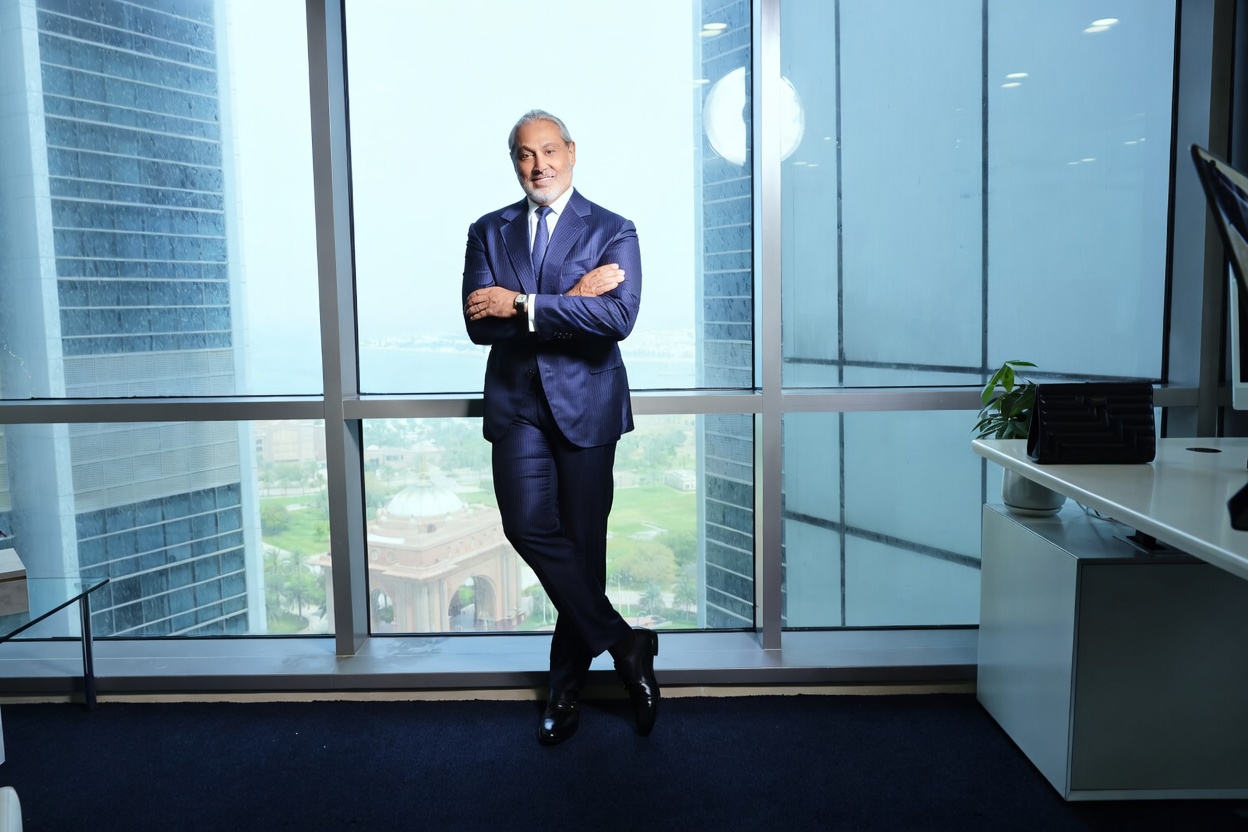
Shaher Moh’d Ali Awartani co-founded Café Milano Abu Dhabi in 2017 alongside H.E. Yousif Al Otaiba and Mubadala Investment Company, establishing the Washington, D.C. restaurant brand at Abu Dhabi’s Four Seasons Hotel. The move took Awartani into the hospitality sector for the first time, adding a consumer-facing business to a portfolio that had been built around infrastructure, real estate, and financial services.
The original Café Milano in Washington has a long association with diplomatic and political life. That character carries through to the Abu Dhabi location, where the Four Seasons clientele includes government and institutional figures in a similar way. The Abu Dhabi restaurant is the only Café Milano outside of Washington, D.C., a position that reinforces the exclusivity of the Four Seasons setting.
Who Stands Behind Café Milano Abu Dhabi
The founding partnership brings considerable institutional depth. Yousif Al Otaiba has served as the UAE’s Ambassador to the United States for many years and has direct knowledge of Café Milano’s Washington context. Mubadala Investment Company, Abu Dhabi’s sovereign wealth fund managing assets of more than USD 300 billion, provides institutional backing.
Awartani’s construction and investment activities had already connected him to many of the same partners and stakeholders. Adding a hospitality venture extended his portfolio into a consumer-facing sector while keeping the same core relationships in place.
Becoming a Shareholder in Reem Hospital
In 2020, Awartani and a group of partners that included Yousif Al Otaiba and the Bashee family took substantial shareholding positions in Reem Hospital Abu Dhabi. InvestCorp of Bahrain, Mubadala Investment Company with a 25% stake, and Wisayah Capital — a wholly owned subsidiary of Saudi Aramco — also participated in the transaction.
The range of institutions involved in the Reem Hospital investment is unusual. Abu Dhabi sovereign wealth, a major Bahraini alternative asset manager, and an Aramco subsidiary all hold positions alongside private investors. That combination reflects the hospital’s status as a premium private healthcare asset in a market where demand conditions are favourable over the long term.
Private Healthcare in Abu Dhabi
The UAE’s private healthcare sector has expanded steadily over the past decade. A growing population, higher rates of health insurance coverage, and government policy aimed at reducing reliance on medical travel have all contributed to that growth. Abu Dhabi has made sustained investment in private healthcare infrastructure, which supports the commercial position of premium operators like Reem Hospital.
The Logic Behind the Portfolio
Awartani’s hospitality and healthcare investments follow the same pattern as the rest of his portfolio: premium assets in Abu Dhabi, held with sovereign or institutional co-investors, in sectors that stand to benefit from the emirate’s demographic and economic growth. Construction was the starting point. Real estate and private equity added breadth. Hospitality and healthcare bring in assets that generate cash flow over a long period, rounding out a portfolio with a clear long-term orientation.