


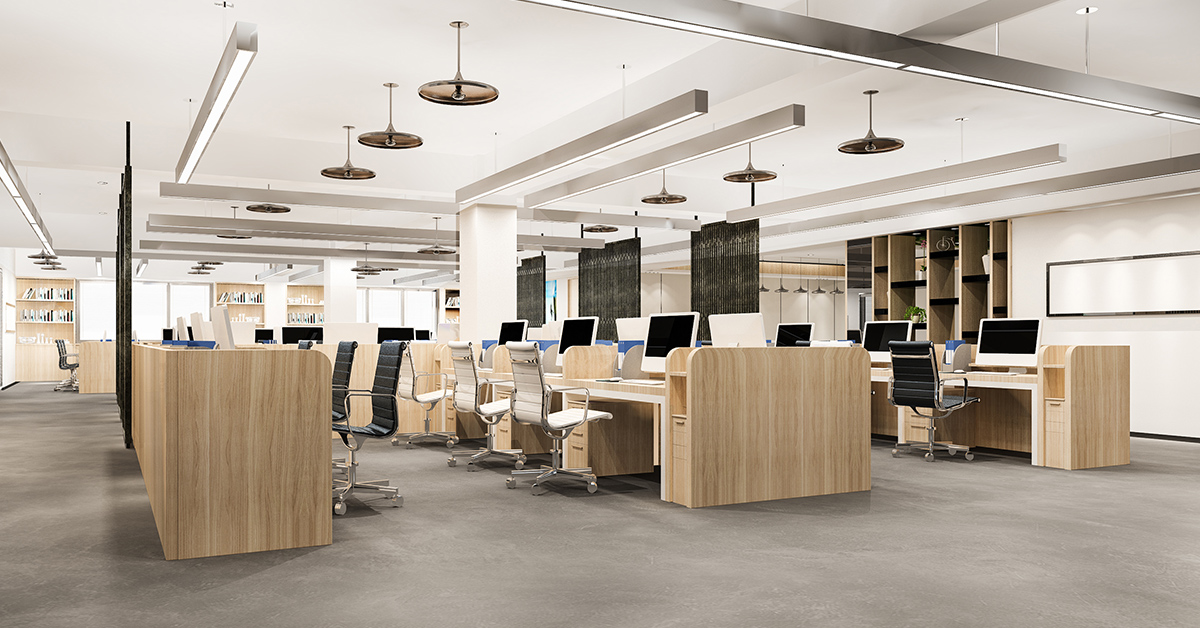
The first thing you notice when walking into a coworking space in Manchester is not the furniture or the branding. It is the noise. Not loud, not chaotic, but a steady hum of typing, muted calls, chairs shifting, coffee being poured. It feels active without being rushed. This atmosphere has become part of how business now operates in the city.
Manchester did not arrive at coworking spaces through trend alone. They emerged as a practical response to uncertainty. Rents rose, lease commitments felt risky, and businesses no longer wanted to predict their size three or five years ahead. Flexible offices offered a compromise between stability and adaptability, one desk at a time.
Many early adopters were freelancers and digital creatives, drawn by affordability and community. Over time, small agencies followed, then growing startups, and eventually established firms with satellite teams. What changed was not just where people worked, but how they thought about work itself. Offices stopped being symbols of arrival and became tools.
Coworking spaces quietly altered the rhythm of the working day. People arrive later without guilt. They leave earlier without apology. Meetings happen in shared rooms, or not at all. Work spills into cafes nearby, then returns inside for focused stretches. Business feels less ceremonial and more functional.
There is a social effect that cannot be engineered. Conversations start by accident. A comment about Wi-Fi turns into advice about suppliers. Someone overhears a problem and offers a solution without being asked. These moments would feel forced in a traditional office, but here they pass without notice.
Flexible offices have also changed how Manchester businesses hire. Companies no longer need to anchor talent to a single postcode. Teams expand and contract without moving buildings. A business can test a new market, a new role, or a new project without committing to space it may not need in six months.
The physical layout matters. Long tables replace corner offices. Glass walls replace closed doors. Hierarchy softens, even when it still exists. It is harder to maintain distance when everyone shares the same kitchen and waits for the same coffee machine.
Some managers admit discomfort with this openness. Control feels diluted. Privacy requires intention. But others see clarity emerge. Work becomes visible. Progress is easier to sense. Accountability shifts from presence to output.
Manchester’s startup ecosystem has benefited quietly from this arrangement. New businesses gain proximity to experience without formal mentorship programmes. They observe how others pitch, negotiate, or recover from mistakes. Learning becomes ambient rather than instructional.
There is a financial realism underlying the appeal. Flexible offices remove the emotional weight of overheads. Businesses talk less about rent and more about revenue. The monthly cost feels manageable, even reversible. That psychological lightness influences decisions far beyond property.
Not every business thrives in a shared environment. Some need silence. Some require security. Some depend on routine. Coworking spaces are not replacements for all offices, but alternatives that suit a particular moment in a company’s life. Manchester seems unusually comfortable acknowledging that distinction.
The city’s regeneration has played a role. As former industrial buildings were repurposed, they created spaces that felt imperfect but adaptable. Exposed brick, uneven floors, large windows. These environments suit businesses still finding their shape.
I remember noticing how naturally a serious client meeting took place at a shared table, without anyone seeming concerned about the lack of walls.
Flexible offices also reflect a broader cultural shift. Work is no longer assumed to be linear. Careers pause, pivot, restart. Businesses form, dissolve, reappear. A workspace that mirrors that fluidity feels appropriate rather than temporary.
There is tension beneath the surface. Some worry that coworking spaces encourage impermanence, that businesses avoid commitment. Others argue the opposite, that flexibility allows better decisions to emerge over time. Manchester businesses seem less interested in resolving this debate than in getting on with work.
Larger companies have taken notice. Some now place small teams in coworking environments to absorb energy and ideas. Others use flexible offices during transitions, mergers, or restructures. The shared workspace becomes a buffer against disruption.
Community managers, once seen as peripheral roles, have become quietly influential. They connect people, set tone, defuse conflict, and shape culture without authority. Their success is measured in atmosphere, not metrics.
The emotional experience of work has changed. There is less isolation. Also less certainty. Coworking spaces offer belonging without permanence, connection without obligation. For many Manchester businesses, that balance feels right for now.
As hybrid work continues, flexible offices act as anchors rather than headquarters. They provide structure without confinement. Teams gather when needed, disperse when not. Business becomes something that happens across locations, not inside one.
Coworking spaces have not revolutionised Manchester business overnight. They have nudged it, gently but persistently, toward adaptability. The change is visible not in headlines, but in daily routines, in how confidently companies make smaller commitments and adjust more often.
Manchester has always been pragmatic about progress. Coworking spaces fit that character. They are not statements. They are solutions. And in a city that values momentum over spectacle, that may be why they have taken hold so firmly.