


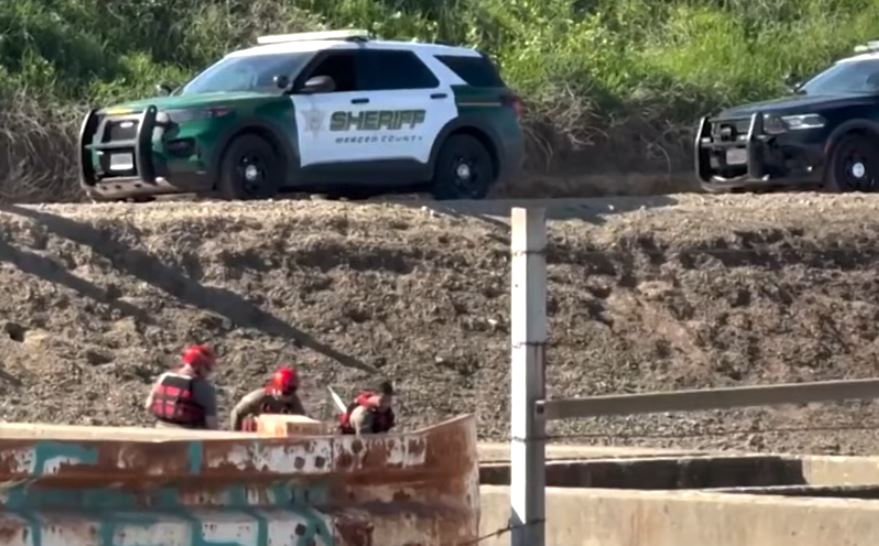
The crash occurred just before dawn, when headlights capture more dust than clarity and quiet clings to the air. Three people emerged when a dune buggy carrying four people plunged into the canal in Merced County that morning. Ontiveros Lupita didn’t.
It was later confirmed by authorities that visibility had been poor. Limited sunlight, dust clouds, and a canal that doesn’t grant second chances. Two people, including the driver, were able to scramble to safety. Lupita didn’t show up again.
| Detail | Information |
|---|---|
| Full Name | Lupita Lizbeth Zúñiga Ontiveros |
| Age | 21 |
| Hometown | Stockton, California |
| Date of Incident | January 28, 2026 |
| Location | Delta Mendota Canal, Merced County, CA |
| Incident | Off-road vehicle crash into canal |
| Recovery Date | February 9, 2026 |
| Distance from Crash Site | Approximately 7 miles downstream |
| Survived By | 18-month-old daughter |
| Driver Involved | Elixandro Naranjo Miranda, arrested |
| Official Identification Date | February 10, 2026 |
| Source | CBS News |
Her family, local law police, and volunteers then put in an incredibly focused effort. They looked everywhere. Drones scanned the area, helicopters circled, and loved ones with signs and prayers filled the banks of the canal.
Throughout the mission, the rescue teams maintained a high level of efficiency by combining air, land, and water search tactics. For eleven days, the water continued to withhold answers.
At last, someone noticed her.
The remains of Lupita were discovered seven miles downstream. Social media posts, breaking headlines, and local bulletins all contributed to the rapid dissemination of the news. It also brought with it the kind of anguish that lingers rather than shouts.
Elixandro Naranjo Miranda, the driver, is currently being charged with a felony. He allegedly committed an act of cowardice by leaving the scene, adding to the tragedy. Although his arrest restored some accountability, it did not erase the events that transpired.
There was more to Ontiveros than a case file. Her child was eighteen months old. She was “soft-hearted, strong-spirited,” according to her sister. That description appeared to be supported by every picture that surfaced in the days following her disappearance.
I recall how, throughout the epidemic, accounts of grief and resiliency began to blend together. However, this—this was unvarnished, precise, and keen. A young woman left too soon after a car made an incorrect turn and the driver refused to stay.
The public’s response was immediate and powerful. Her community continued to be publicly and visually supportive through planned search parties and clever partnerships with local news, which increased the urgency of getting her home.
TikTok and Instagram were flooded with tributes. Her name was inscribed on candlelight vigils, posted in heartbroken captions, and uttered out loud at events. The digital response was remarkably successful in increasing awareness and showed that empathy spreads more quickly than formal procedures.
This was hardly a viral campaign, however. Influencers weren’t present. Only unadulterated humanity and a family’s refusal to let Lupita pass away in silence.
She became a symbol of what happens when accountability falls behind consequences, not of dramatic tragedy. An avoidable mishap that got out of control due to bad decisions and a lack of accountability.
Those closest to her created something very potent by using genuine storytelling and public indignation to create an emotional momentum that prevented her tale from being overshadowed by the next big story.
As I watched one of the vigil livestreams, I saw that I was paused. Unaware of the cameras, a young girl was being cradled in someone’s arms. They claimed that was Lupita’s daughter.
I couldn’t get that image out of my head.
Conversations on vehicle accountability, nighttime driving, and off-road safety have significantly improved over the last ten years. However, there are still loopholes, especially where recreational vehicles meet country routes and where legal clarity gives way to unofficial escapes.
Cases like Lupita’s are more than just a personal tragedy for early-stage policy initiatives aimed at traffic reform; they are pressing reminders that even “recreational” risk requires careful supervision.
Her experience can serve as an inspiration for change in the upcoming months. Campaigns for more stringent license requirements, stronger canal barriers, or improved supervision of off-road excursions might be strengthened by it. As always, it will rely on who can continue to recall her name.
Ontiveros, Lupita Lizbeth Zúñiga. Not a headline. A daughter. a mom. An important woman.