


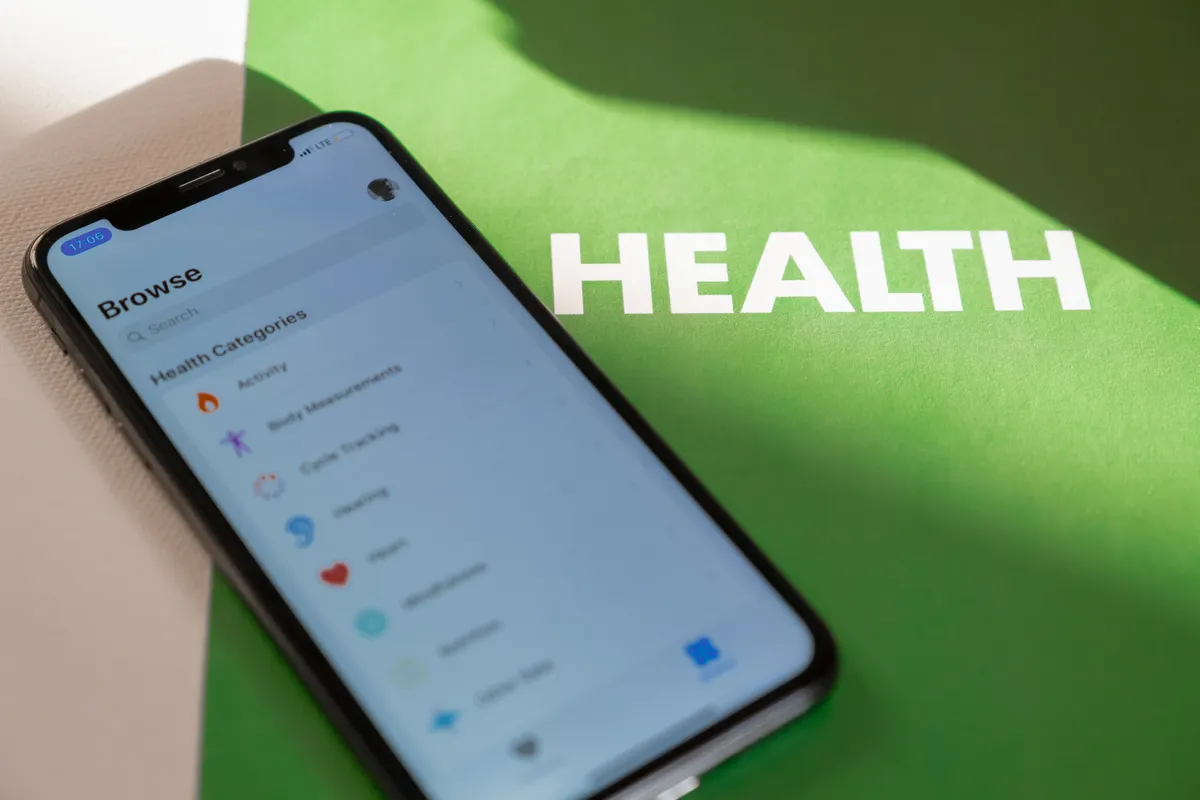
The Apple Health app redesign has landed in the iOS 27.2 developer beta, and it is a more substantial overhaul than the headline features Apple trailed at its event, though it comes with a few frustrations baked in. According to NeoTeo, the redesigned app entered the first iOS 27.2 developer beta on 16 September 2026. A full public release is expected later in 2026, and GaGadget notes it will launch initially in US English only.
One thing to know upfront: you will not find this on your iPhone after updating to iOS 27. It is not part of the main iOS 27 release. To get it now, you need to sign up as an Apple developer (free at the basic tier) and install the iOS 27.2 developer beta separately. That is a meaningful barrier for most people, which means the majority will be waiting.
What the Apple Health App Redesign Actually Puts on Your Screen
The headline addition is the Longevity tab, which organises your health data across seven areas: heart health, sleep, movement, nutrition, mental well-being, metabolic health, and hearing health, according to NeoTeo. Each area maps to a petal in a visual graphic, and you fill petals by supplying the relevant data. Only four petals were active out of the box for one tester, which prompted a deep dive into exactly what each section needs.
Heart health, for instance, can be satisfied by cardio fitness and resting heart rate data alone. You do not necessarily need blood pressure readings or cholesterol labs to get a result. Sleep works from Apple Watch data or compatible wearables. Mental well-being draws on screening questionnaires for anxiety and depression. Metabolic health needs body composition measurements, specifically waist and hip measurements, not just height and weight. The app is not especially transparent about the minimum data required for each petal, which creates a slightly uncomfortable loop of submitting personal measurements just to see a graphic fill in.
Alongside the Longevity tab sits the Health Age feature, which recalculates every Monday. The underlying logic is that it weights your tracked habits and scores you against an age equivalent. One tester found their Health Age running about five years younger than their actual age, with sleep flagged as the main drag and cardio fitness, HRV, and resting heart rate all pulling in a positive direction. Scroll further and you get specific habit recommendations tied to those metrics.
The Quest Diagnostics Lab Panel and the Assessment Overload
For users who want to go further, MacRumors reports that Apple plans to offer a $119 laboratory panel from Quest Diagnostics, results from which will contribute to the Health Age score. That covers markers such as glucose (measured as haemoglobin A1c) and LDL cholesterol, areas the app currently flags as gaps for many users. It is an option, not a requirement, but the app does prompt you toward it.
The assessment count is the other thing that gives pause. The app surfaces 16 assessments in total, covering everything from anxiety and nutrition questionnaires to a body composition check requiring a tape measure. A regular Apple Watch user who has previously completed a handful of these may find the app telling them they have completed three of 16. The visual presentation, sitting directly beneath the half-filled longevity graphic, reads like a homework list. You do not need to complete all 16, but the app does not communicate that especially clearly.
There is also a Readiness score, which runs on a 0-10 scale, adding another layer to the daily summary picture alongside step counts and ring status, both of which now appear in the Health app itself, not only in the Watch or Fitness app.
Four Camera Fitness Assessments, Not One
Apple previewed a camera-based VO2max test at its event, but the beta contains four camera assessments: flexibility, balance, VO2max via a step test, and strength. The strength assessment includes a pushup (with a knee modification available), overhead squat, and a sit-to-stand. In the current developer beta, all four crash before completion, so a full verdict will have to wait for a more stable build.
The full public rollout, when it arrives later in 2026, will be the real test of whether the redesign turns Health into something people actually open daily, or just a more elaborate set of clipboards.