


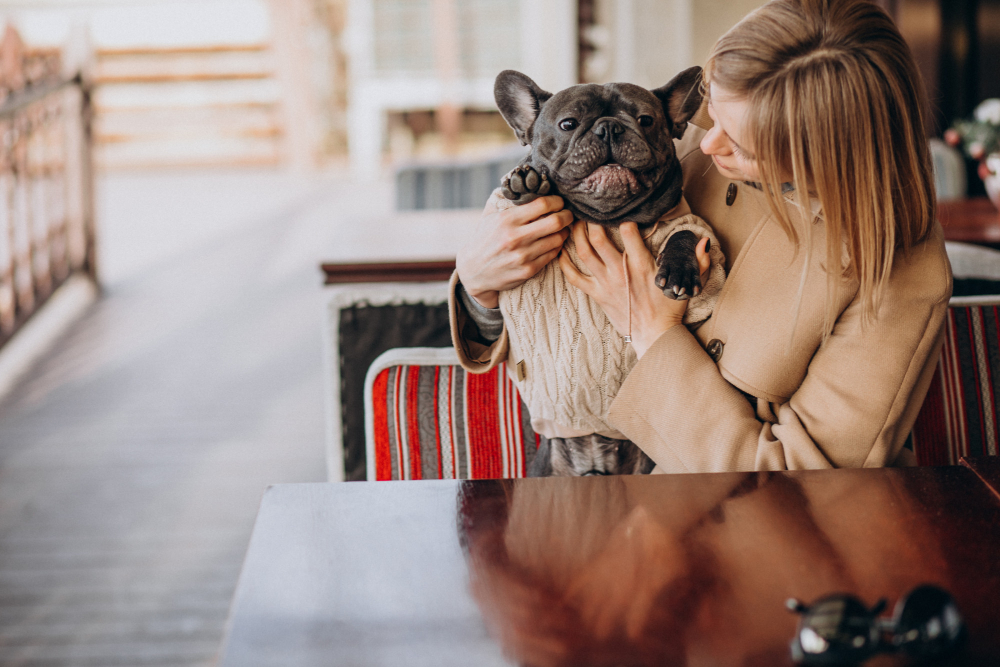
On a chilly Norwich evening, when the air has a subtle scent of damp brick and chimney smoke, names that sound more like someone calling into the dark than drinks are written on the chalkboard behind the bar. Daisy. Alfie. Chin on the bar, Max. Each was meticulously written and separated as though the landlord wished to allow them some breathing room.
If a stranger were to walk in, they might completely miss the meaning. Regulars, however, don’t.
| Category | Details |
|---|---|
| Pub Name | The Leopard |
| Location | 98-100 Bull Close Road, Norwich, Norfolk, England |
| Established | Original structure dates back decades; refurbished 2014 |
| Known For | House beers and local ales, including dog-inspired names |
| Unique Tradition | Naming drinks after dogs connected to the pub’s history |
| Atmosphere | Traditional corner pub with courtyard garden |
| Cultural Context | Reflects Norwich’s long heritage of animal-named pubs |
| Reference | https://camra.org.uk/pubs/leopard-norwich-189745 |
The silence within the Leopard is the first thing that one notices. Not quite silence, but a softer sound than the typical pub roar. Clinking glasses. A dog’s collar tag taps the wooden leg as it shifts slightly in its sleep beneath a table. Very few people raise their voices. Oddly enough, it feels like a place where memories are preserved.
A former pub dog named Dude performed a trick that inspired the name of one of the beers, Chin On Bar. Waiting patiently for attention, he would leap onto a stool and rest his chin on the bar, occasionally getting scraps from empathetic patrons. The trick turned into a custom. The name remained after Dude passed away.
It seems as though the pub wouldn’t let him go entirely.
The landlord, a broad-shouldered man with weary eyes and a cautious speech pattern, doesn’t make a big deal out of the custom. It appears to have developed gradually, gaining significance without being formally announced. Every new name comes subtly, usually after a regular has stopped bringing their dog in.
Here, grief is a part of the menu.
Recently, a woman near the pumps placed an order for a half-pint of Alfie. She nearly swallowed the name midway through her slight hesitancy before uttering it. She gazed at the glass longer than she should have when it arrived.
Whether she was aware that she was taking part in a memorial is still unknown.
The pubs in Norwich have always influenced the city. You pass names associated with animals, saints, myths, and lost trades as you stroll through its winding streets. Even the illiterate could identify their destination thanks to the centuries-old custom of inn signs using symbols rather than words.
However, lions and swans were typically the owners of those names. No pets.
It feels different now.
In 2014, the Leopard underwent renovationsHow to Impress Buyers: 6 Low-Cost Ways to Boost Your Home’s Appeal that included modernizing its cellar and expanding its bar. The installation of underfloor heating made winter evenings more bearable. However, the place’s emotional architecture appears to be older and more difficult to update.
According to some regulars, the custom facilitates indirect conversations about loss. Others remain silent.
Long after he finished his pint of Max, a lone man sat and traced the condensation ring that remained on the table. He didn’t place a second order. He also didn’t depart.
It’s difficult to ignore how naming something makes its absence seem more real when you watch him.
There is a strange place for dogs in British pub culture. They serve as unofficial employees, mascots, and companions. They welcome newcomers, diffuse conflict, and divert attention that might otherwise be wasted. Subtly, the space changes when they disappear.
Chairs remain vacant for longer.
Of course, the Leopard is still dog-friendly. Arriving animals circle warily, sniffing ancient scents buried in the floorboards. Eventually, some merit a spot on the chalkboard.
Others don’t.
There isn’t a formal regulation.
The landlord may make the decision in private and select names based more on sentimentality than on popularity. Or maybe the names come to them on their own, emerging through repetition and being said enough times to become memorable.
After all, memory is democratic in peculiar ways.
Outside, Norwich keeps up its routine. At traffic lights, buses sigh. Too loudly, students cross the street laughing. From a distance, the pub is inconspicuous, blending into the fabric of the city.
Time flows differently inside.
A man orders Daisy as he enters, his coat trembling with rain. He says it with a slight smile. Pulling the pint with practiced ease, the bartender nods. The name is not explained by either.
Neither must.
There is a sense that the tradition endures due to recognition rather than sentimentality. Dogs see everyday life in remarkable detail. They sit by people’s sides during quiet evenings that no one else remembers, breakups, and job losses.
It feels more like acknowledgment than a tribute when a drink is named after them.
Nevertheless, it poses awkward queries. When every name is taken, what happens? When is the board fully filled? When does memory get crowded?
No one seems interested in knowing.
The chalkboard is still up near closing time, names softly glowing under warm lights. Some are from dogs that have been gone for years. Others have just vanished. Every time someone orders another pint, they all stay present in this strange way, speaking out loud.